It’s a scenario that strikes fear into the heart of every homeowner and car owner: you reach down to adjust a cushion or slide into the driver’s seat, only to feel that unmistakable, stretchy, and incredibly stubborn resistance.
Chewing gum.
Whether it’s a gift from a forgetful toddler or a stray piece from a houseguest’s pocket, gum on upholstery feels like a permanent disaster. But before you consider reupholstering the sofa or buying seat covers for the car, take a deep breath. With the right technique, you can remove gum from almost any fabric without leaving a trace.
Here is your professional guide to winning the battle against the stick.
The Golden Rule: Do Not Rub!
Before you reach for a rag, remember the first rule of gum removal: never rub or scrub. Rubbing pushes the gum deeper into the fibers of the fabric and spreads the mess, turning a small problem into a giant stain. Your goal is to lift the gum up and away from the upholstery.
Method 1: The Ice Method (The Gold Standard)
This is the safest and most effective method for most fabrics, including velvet, polyester, and cotton. By freezing the gum, you make it brittle, allowing it to snap off the fibers.
- Freeze it: Place a handful of ice cubes in a zip-top plastic bag (this prevents water from soaking into the fabric). Place the bag directly onto the gum and leave it for 10–15 minutes until the gum is rock hard.
- The Scrape: Use a blunt tool, such as a butter knife, a credit card, or a metal spatula. Gently pry up the edges of the hardened gum.
- The Lift: If the gum is frozen enough, it should pop off in one or two large chunks.
- Repeat: If any residue remains, re-freeze and repeat.
Method 2: The Hairdryer Method (For Delicate Fibers)
If the gum is deeply embedded or the fabric is particularly delicate, heat can sometimes be more effective than cold.
- Heated Air: Aim a hairdryer at the gum on a medium setting. Watch closely—you want the gum to become soft and pliable, but you don’t want to melt synthetic upholstery fibers.
- The Peel: Once the gum is soft, use a plastic bag or a piece of plastic wrap to “blot” the gum. The gum will prefer to stick to the plastic rather than the fabric.
- Caution: Be extremely careful with silk or high-synthetic blends, as high heat can cause permanent damage.
Method 3: The Vinegar Solution
For stubborn residue or natural fibers like wool, white vinegar is a miracle worker. The acid in the vinegar breaks down the polymers in the gum.
- Heat the Vinegar: Warm a small bowl of white distilled vinegar in the microwave.
- Dab: Dip a soft cloth or an old toothbrush into the warm vinegar and gently rub it into the gum area.
- Work it in: The gum will begin to ball up and soften. Gently lift it away with your blunt tool.
- Rinse: Since vinegar is acidic, wipe the area with a damp cloth and a drop of dish soap afterward to neutralize the scent.
Method 4: Rubbing Alcohol (For Tough Residue)
If you’ve removed the bulk of the gum but a “ghost” of sticky residue remains, rubbing alcohol is your best friend. It acts as a solvent that dissolves the adhesive without damaging most fast-color fabrics.
- Spot Test First: Always apply alcohol to a hidden area first to ensure it doesn’t bleed the dye of your upholstery.
- Dab: Soak a cotton ball in rubbing alcohol and press it onto the residue.
- Wipe: Let it sit for a minute, then gently wipe away with a clean cloth.
How to Clean the “After-Stain”
Once the gum is gone, you might see a slight oily mark or a shadow where the gum once lived. Here is how to finish the job:
- Mix a solution: Combine 1 cup of warm water with a teaspoon of clear dish soap.
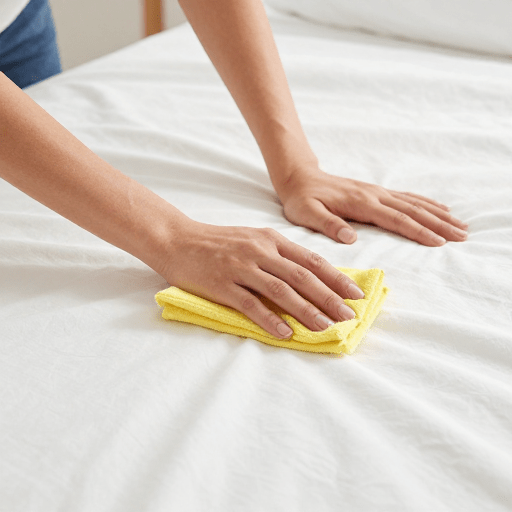
- Blot: Using a white microfiber cloth, blot the area from the outside in (to prevent spreading).
- Dry: Pat the area with a dry towel and use a fan to dry it quickly to avoid water rings.
When to Call a Professional
While these DIY tips work for 90% of household accidents, there are times when you should put down the ice cube and call a professional cleaner:
- Antique or Vintage Fabrics: If the upholstery is an heirloom or very old, the fibers may be too brittle for DI
Y scraping. - “Dry Clean Only” Tags: If your sofa is marked with a “S” (Solvent only) or “X” code, water-based methods or vinegar could ruin it.
- Suede and Raw Leather: These materials are incredibly finicky and easily stained by DIY solvents.
Final Thoughts
Finding gum on your favorite chair is frustrating, but it isn’t the end of the world. By staying calm and using the “freeze and scrape” method, you can usually restore your upholstery to its former glory in less than twenty minutes.
Pro Tip: Keep a small “stain kit” in your laundry room with specialized adhesive removers (like Goo Gone) just in case—but always remember to check the fabric compatibility first!